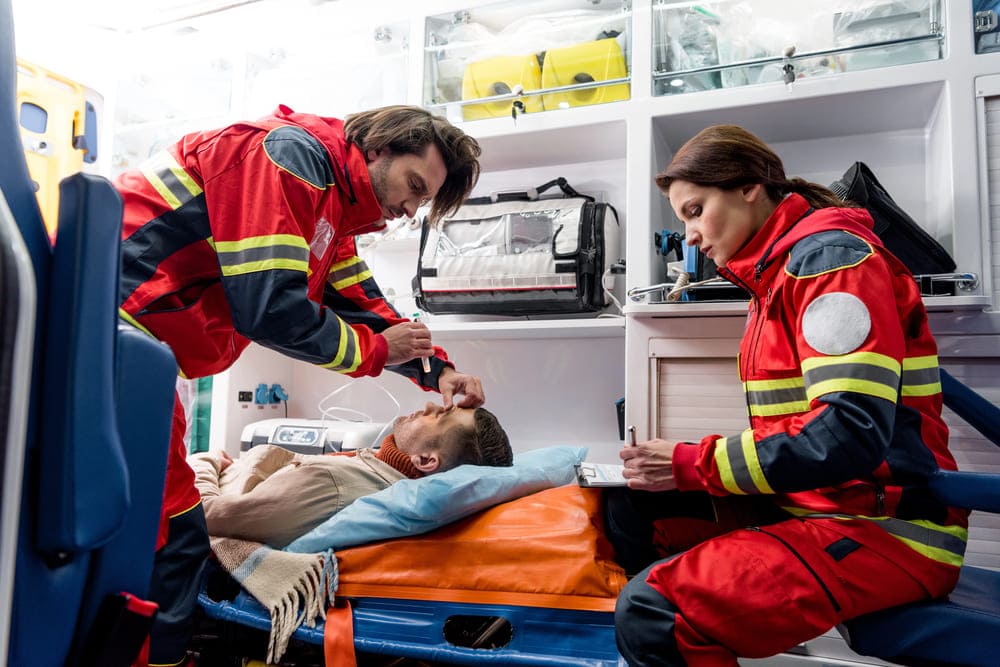
Emergency medical technicians and paramedics play essential roles in healthcare. They provide emergency care and stabilize patients before reaching the healthcare facilities. Therefore, the public holds these professionals in high regard. The Emergency Medical Services Authority regulates these professionals. The agency establishes standards that each licensed EMT or paramedic must adhere to.
For professionals who meet the qualifications, the EMSA issues practice licenses. Your license represents your ticket to provide emergency care in California. However, the board can impose license discipline if you violate the set standards. The disciplinary actions can range from simple warnings to permanent loss of your license. Often, the nature of your violation can dictate the type of discipline you will face.
If the EMSA notifies you of an ongoing investigation, you will require expert legal insight. Our seasoned attorneys at Los Angeles License Attorney offer top-notch guidance to clients facing license discipline in Los Angeles, CA.
Roles and Responsibilities of Emergency Medical Technicians and Paramedics in Healthcare
EMS and paramedics play the following critical roles in the healthcare sector:
Emergency Medical Technicians
- Assessing patients. EMTs check vital signs and evaluate symptoms. They gather basic medical histories. The information they gather guides early treatment.
- Transporting patients safely. EMTs transport patients to medical facilities. They monitor patients during transit to ensure they remain stable.
- Assisting with emergency procedures. EMTs are on call to respond to basic emergencies. Those procedures include splinting fractures and administering oxygen. They help reduce the risk of complications.
- Communicating with healthcare teams. EMTs share patient information with hospitals. Clear communication ensures continuity of care. Additionally, it helps staff at medical facilities prepare for a patient’s arrival.
Paramedics
Providing advanced life support. Paramedics perform advanced medical interventions. They administer medications and manage advanced airways.
- Making clinical decisions. Paramedics make rapid treatment decisions during emergencies. They work under protocols and medical direction.
- Managing complex medical emergencies. Paramedics handle trauma and cardiac emergencies. They respond to critical and unstable patients.
- Leading emergency scenes. Paramedics lead emergency responses. They coordinate with EMTs and other responders.
- Training and mentoring EMTs. Paramedics help train and mentor EMTs. These professionals share skills and knowledge that strengthen the healthcare team.
The Emergency Medical Services Authority (EMSA)
The Emergency Medical Services Authority oversees paramedics and emergency medical technicians in the state of California. It regulates prehospital emergency medical care. The agency ensures that emergency medical technicians offer safe, lawful, and efficient services. EMSA works closely with local EMS agencies, training institutions, and emergency responders.
Through oversight and regulation, EMSA protects patients during the critical moments of care. The California Health and Safety Code grants EMSA the authority to regulate EMS systems throughout the state. The roles of this board include:
Licensing and Certification
Each paramedic or emergency medical technician must have a valid license to practice in California. EMSA oversees the certification and licensing of EMTs and paramedics. The agency establishes minimum requirements that each professional must meet to obtain a license. These requirements include:
- Completing the necessary training
- Passing the licensing examination
This process ensures that only qualified individuals are authorized to provide emergency care.
Establishing Statewide EMS Policies
EMSA develops statewide policies for emergency medical services. EMTs and paramedics follow these policies when providing care in the field. Additionally, they help ensure uniform standards across California. The uniformity reduces confusion among professionals. Furthermore, it improves patient safety during emergencies.
Coordinating Emergency Medical Systems
EMSA coordinates emergency medical response systems throughout the state. It works with local EMS agencies, hospitals, and emergency responders. The coordination improves response times and system efficiency. Additionally, it supports disaster preparedness and large-scale emergency planning.
Investigating Complaints
When a licensed professional violates the practice, they can be reported to the board. In this case, the board will investigate the complaint and impose the appropriate disciplinary action. The disciplinary action helps to protect the patients and deter future violations.
Violations Committed by EMTs and Paramedics
Complaints against licensed EMTs and paramedics stem from serious professional violations or criminal misconduct. These violations can threaten patient safety. Additionally, they can undermine confidence in emergency medical services. You run the risk of losing your license if the board reports you for any of these violations. The violations include:
Drug or Alcohol Abuse
Alcohol or drug abuse is a common cause of complaints. EMTs and paramedics must be fully alert while providing care. Substance use can slow reaction times and impair judgment. Even appearing impaired on duty can trigger an investigation. Repeated incidents of intoxication at work can lead to license suspension or revocation.
Acquiring a Professional License Fraudulently
To obtain your professional license as an EMT or paramedic, you must follow the proper channels. It includes completing the necessary training and taking the license examination. Obtaining a permit fraudulently is a serious offense that can result in disciplinary action against the license holder. Fraud may involve acts like:
- Lying about your education and certifications
- Failure to disclose prior disciplinary action
- Using forged documents
Patient Mistreatment or Abuse
Patients are a vulnerable group of individuals. Therefore, all professionals must treat them kindly. Any form of abuse against a patient is a serious violation. This includes:
- Physical force
- Verbal harassment
- Neglect
Complaints of patient mistreatment can lead to an investigation and potentially result in serious disciplinary action.
Violating Patient Confidentiality
EMTs and paramedics must protect private medical information. Discussing patient details without permission is a violation of ethical standards. Such activities could include conversations with friends or online posts. Confidentiality violations can result in fines and disciplinary action for your license.
Sexual Misconduct
Sexual misconduct is a severe violation of ethical standards as a paramedic or EMT. You could face allegations of sexual misconduct if you engage in any sexual act with a patient. Consent is not an excuse to engage in these acts. In addition to severe license discipline, sexual misconduct can attract criminal charges.
Fraudulent or Dishonest Conduct
Honesty is critical in emergency medicine. Falsifying patient care reports can affect patient outcomes. The EMSA treats dishonesty as a severe ethical failure.
Practicing Outside the Scope of Authority
EMTs and paramedics must follow their legal scope of practice. Performing advanced procedures without proper authorization can put patient lives at risk. When such conduct is reported to the board, it can result in suspension or revocation of your license.
Disciplinary Process by the Emergency Medical Services Authority
If you are reported to the board for a violation, you may undergo the following disciplinary process:
Complaint
The disciplinary process begins when a person or entity makes a complaint about you to the EMSA. A complaint could be submitted by:
- Patients
- Coworkers
- Employers
- Law enforcement
The EMSA receives complaints through its main office, in-person interactions, or on its website. Most complaints allege professional misconduct or criminal acts.
Initial Review
When EMSA receives a complaint, it performs an initial review. The review helps determine the correct jurisdiction for the issues at hand. The board transfers the complaints that fall outside its jurisdiction to the relevant authorities.
Investigation
Legitimate complaints that are within the authority of the EMSA go to the investigation stage. If the complaint proceeds to investigation, the EMSA will assign an investigator to the case. The investigator will:
- Gather evidence
- Interview the complainant
- Other witnesses
- Check your record
If the EMSA notifies you of an investigation against you, you must respond within 15 days. In your response, you can inform the EMSA of your intentions to fight the allegations.
Proposed Disciplinary Action
After the investigation, EMSA decides whether discipline is warranted. Minor violations may result in a citation or corrective action. Severe violations may lead to formal discipline or a stipulated agreement. Before entering a stipulated agreement, you will need the guidance of an attorney.
Administrative Hearing
If you fail to reach an agreement, the EMSA will schedule an administrative hearing. The administrative law judge presides over the hearing. The ALJ will review the evidence presented by both sides of the case before making a decision.
Final Decision
After the hearing, the EMSA can accept, reject, or modify the recommended decision. The agency then makes the final order, which may include probation, suspension, or revocation.
Factors Influencing Disciplinary Action by the EMSA
The type and severity of discipline you will face depend on the following factors:
- Nature of the violation. The board will consider the violation that you committed when imposing license discipline. Violations that involve patient harm or criminal conduct are considered more severe. In this case, you may face harsher disciplinary action. Technical or paperwork errors are often viewed as less severe and may result in less severe punishment.
- Level of patient harm. The main goal of the EMSA is to protect the health and safety of patients. Therefore, actual patient harm carries significant weight. You may face harsh disciplinary action if you cause serious injury or put a patient’s safety at risk. Even potential damage can be substantial if the conduct was inherently dangerous.
- Intent and state of mind. Regulators consider whether the violation resulted from recklessness or an accident. Willful misconduct leads to more severe penalties. However, the board may be more lenient if you made an honest mistake. The board may take more serious action against your license if they cite you for repeated poor judgment.
- Prior disciplinary history. When you face an investigation for misconduct, EMSA will look into your disciplinary history. If you have multiple prior violations, the agency will impose more serious action. However, a clean record may support leniency.
- Rehabilitation and corrective actions. The board will consider the actions you have taken to correct your wrongdoings when imposing disciplinary action. Taking accountability for your actions and taking action towards rehabilitation can help your case.
License Discipline Against Paramedics and Emergency Medical Technicians
The EMSA holds licensed EMTs and paramedics to strict professional standards. If the agency finds you in violation after the hearing, it will impose the following disciplinary actions against your license:
Public Reprimand or Citation
A public reprimand is a formal notice of misconduct. The recommendation does not deter you from practicing in your profession. However, the board keeps a record of it. If you face a disciplinary process in the future, the board can reference the reprimand. Additionally, the record is publicly accessible. Although a reprimand is the least severe disciplinary action, it can still impact your employment opportunities.
License Probation
The board can place your license on probation if you violate the standards of practice. Probation allows an EMT or paramedic to continue working under strict conditions. These conditions may include:
- Constant supervision
- Additional training
- Regular reporting
- Random drug testing
If you violate the terms of professional probation, the board may impose more severe action.
License Suspension
For some violations, the board can suspend your license. When your license is suspended, you cannot practice as a paramedic or EMT throughout the suspension period. The EMSA uses suspensions for serious violations. A license suspension can last between one and five years, depending on the nature of your violation. If you meet all the conditions and the suspension period ends, you can petition for reinstatement.
License Revocation
If you commit a violation involving patient harm or severe misconduct, the EMSA can revoke your license. A license revocation means that your license is permanently removed from practice.
Denial of Renewal or Reinstatement
The board can deny license renewal or reinstatement after a violation. The denial prevents you from returning to practice. Denials often occur when you fail to meet the required conditions. This form of discipline can end your career in emergency medical services.
Find a Seasoned License Defense Lawyer Near Me
Obtaining a license to practice as a paramedic or EMT takes years of dedication and effort. Unfortunately, you can lose your license and career due to disciplinary action by the board. The board receives a complaint about negligence, sexual misconduct, or criminal convictions by licensed professionals. If there is substantial evidence to support the allegations, the board will hold a hearing where you can defend yourself against license discipline.
At this hearing, your attorney can present evidence that refutes the allegations. If found liable for a violation, the board can issue a warning and, in severe cases, suspend or revoke your license. If you are facing the disciplinary process by the EMSA, you will need the insight of a reliable license defense lawyer. At Los Angeles License Attorney, we will guide you through the case to ensure a favorable outcome. Call us today at 424-554-1140 to schedule a consultation.